
Could my gold have been worn in ancient Egypt?
Here’s a question I think about quite often, if gold is so good at surviving history because it barely corrodes or degrades, then could I be making my jewellery out of gold that was once worn by someone in antiquity?
And the fabulous answer is Oooh Yes! In fact, it’s quite plausible that around 2% of the gold used in today’s jewellery, coins or bullion is gold that was once used thousands of years ago in one of the ancient civilisations including Egyptian, Indian, Roman, Greek, Pre-Colombian, Chinese and Persian.
When gold items are melted down, the pure gold itself is essentially unchanged. It can be refined, alloyed, melted and remade again and again.
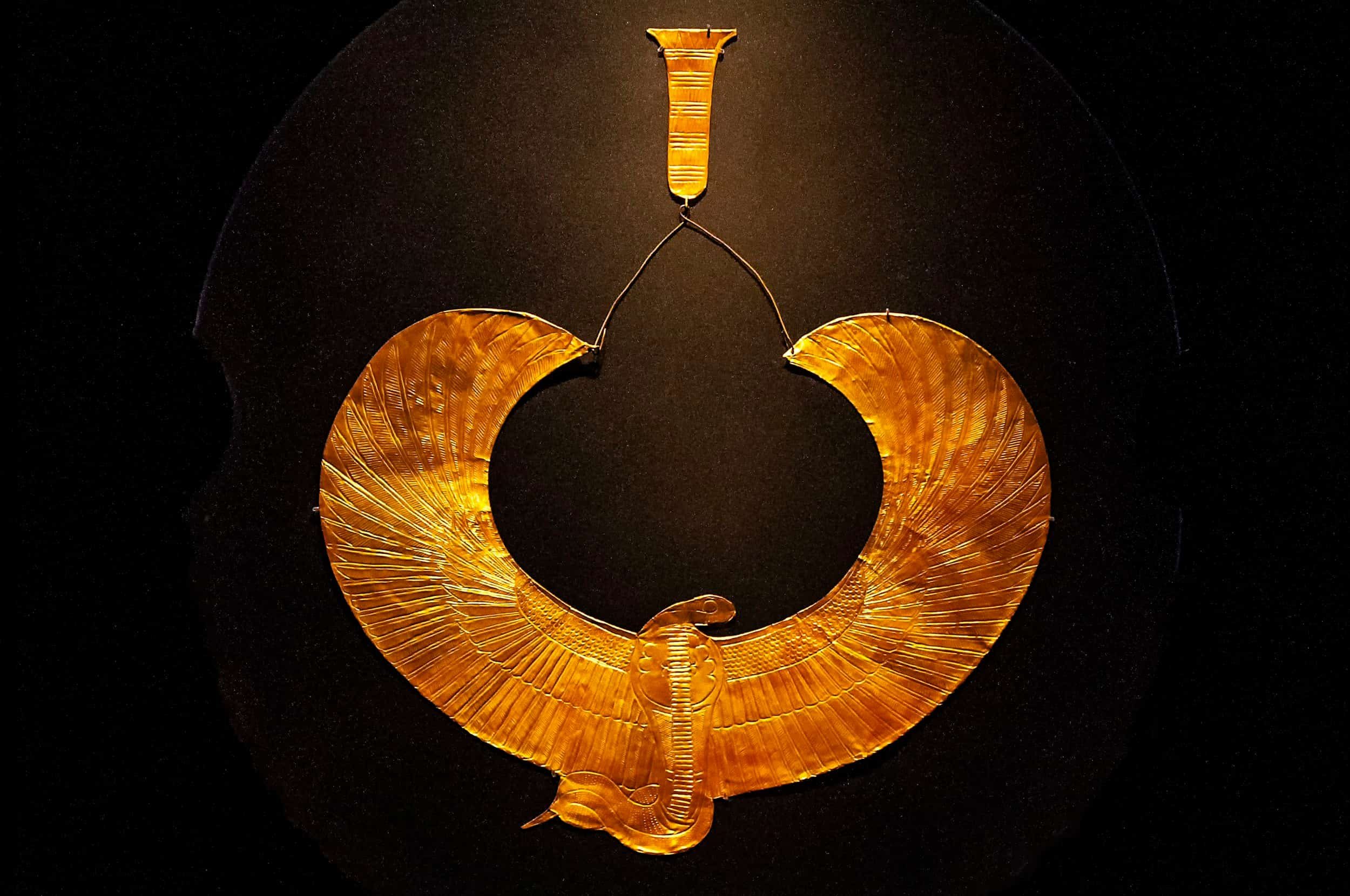
Ancient Egypt was a major gold-producing civilisation. Over the centuries, those ancient Egyptian gold objects were looted, traded, inherited, melted down and recast. Once that gold entered wider Mediterranean and later European trade networks, it could have been recycled and blended repeatedly with gold from all over the world.
Imagine a timeline something like:
Egyptian necklace c4000 BC → melted into coins and traded across the Mediterranean → melted again and mixed with gold from the Greek or Roman Empires to make newer coins → melted down and mixed again to create a reliquary in medieval Europe → refined centuries later and mixed with gold mined in the 1800s to make a brooch → melted down and incorporated into modern bullion → eventually made into the necklace you are wearing today.
The fascinatingly excruciating bit is that there is usually no way to know the history (Unless you are sourcing brand new gold, direct from the mine). Modern refining mixes gold from many sources and ages so thoroughly that its historical identity disappears. The individual gold atoms don't carry a detectable "hey, I belonged to Tutankhamun" signature sadly.
Over 90% of all the gold ever mined is still in use today, however the vast majority of this gold will have been mined in the last 250 years. And nearly 30% of this gold will have been recycled at some point.
So a brand new 24ct (pure) gold bar is a melting pot of newly mined gold (approx 70%), recycled gold that was mined in the last few hundred years (nearly 30%), and a tantalising soupçon of recycled ancient gold mixed in (1% to 2%).
So if you're wearing a ring with gold of any carat, even if it is brand new, there's a tiny but entirely real possibility that some of its gold atoms were once worn by an Ancient Egyptian - how cool is that!?
What about Silver?
Silver has been mined and recycled for over 5000 years, however it is a metal that does corrode and tarnish, so a much higher percentage of ancient silver will have been lost in the sands of time. But a recycled silver ring made in Britain today could conceivably contain some silver that was once an Athenian drachma, a Roman denarius, a Viking arm ring or a medieval English penny, but the chances that you’re wearing 1000 years old silver today are far lower than with gold.
What about Platinum?
Well platinum’s working history is far shorter due to the fact it has such a high melting temperature. To ancient civilisations, it just seemed impossible to melt! In pre-Colombian South America, metal smiths worked out a clever way of mixing tiny platinum particles with gold, then heating and repeatedly hammering them together. It took another 2000 years to figure out how to melt platinum properly. In fact in the 1700s when Spanish Colonial miners in Colombia were panning for gold, they kept encountering dense grey platinum grains, the Spanish called it platina “little silver” and regarded it as a nuisance - sacks and sacks of it were dumped in the Bogotá River!
So, back to the question, some platinum really was worn by people nearly 2,500 years ago, but those atoms of ancient platinum are highly unlikely to be living their best lives in your jewellery today (sorry!). There’s a tiny tiny chance you may be wearing fragments dredged from the river a few hundred years ago though!
If your jewellery could talk, what would you ask it?